Red Sox vs Twins Prediction, April 15, 2026 | Red Sox moneyline
Red Sox Moneyline: Early Gives Boston the Better Starting Pitcher Profile at Target Field
April 15, 2026 | 7 min read | MLB Prediction Data Lab
Market noted near publication: Boston -136 to -140. Lines move quickly; always verify current price before making any decision.
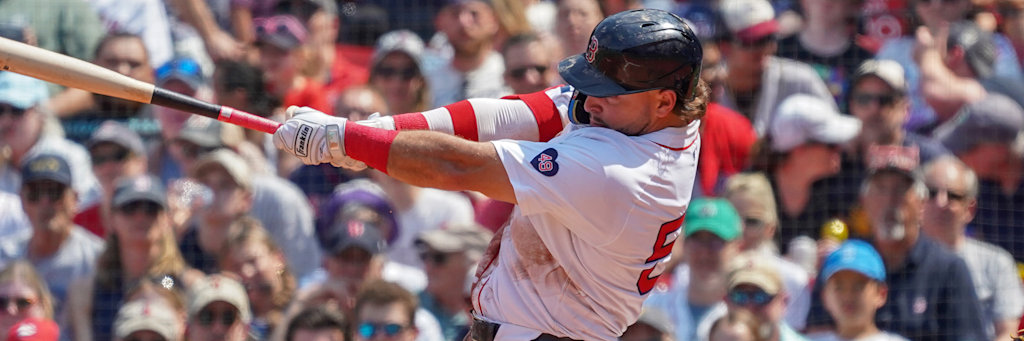
The April 15 model play on MLBPrediction is Boston moneyline at Minnesota. It is uncomfortable because the Red Sox have already been handled twice in this series, losing 13-6 on Monday and 6-0 on Tuesday. That is also the reason the number is still playable. The market is being forced to balance Minnesota's stronger early-season record against a Wednesday pitching matchup that grades more favorably for Boston than the standings alone would suggest.
This is not a season-long endorsement of Boston over Minnesota. The Twins are 11-7, 7-2 at Target Field, and they have scored 98 runs with 24 home runs through 18 games. Boston is 6-11 and just 3-8 away from Fenway Park. Those are real numbers, and they explain why this game is not being priced as a runaway Red Sox spot. The question for the model is narrower. On April 15, with Connelly Early facing Simeon Woods Richardson, is Boston's starting pitcher and lineup damage profile good enough to justify a modest road favorite price? The answer is yes.
Model Notes And Sources
Inputs include probable starters, listed pitcher results, team run production, home/road context, injuries, and market price at publication. Market noted near publication: Boston -136 to -140 at 8:00 a.m. ET on April 15, 2026. Verify current odds before acting because the model edge is price-sensitive.
- Baseball statistics and player pages: MLB Stats, Baseball Savant, FanGraphs, and Baseball Reference.
- Probable starters, injuries, and lineup context: official MLB and team reports available at publication time.
- Market price: public sportsbook screens observed at publication; closing number is logged separately on the model results page.
The Verified Matchup
The confirmed starters are Connelly Early and Simeon Woods Richardson for a 1:40 p.m. ET first pitch at Target Field. Early enters 0-0 with a 2.63 ERA, 1.54 WHIP, 15 strikeouts, 8 walks and no home runs allowed over 13.2 innings. Woods Richardson enters 0-2 with a 4.60 ERA, 1.28 WHIP, 8 strikeouts, 4 walks and 3 home runs allowed over 15.2 innings. Boston is priced near -136 to -140, with the game total around 8.
The team stats show why this is not a blind favorite play. Minnesota has the better current run total, the better slugging percentage at .401, the better on-base percentage at .336, and the better team ERA at 4.04 compared with Boston's 4.52. Boston's offense is at 68 runs, 11 home runs, a .231 average, a .315 on-base percentage and a .345 slugging percentage. Minnesota has been better overall. The model is not ignoring that. It is isolating where Wednesday's matchup is different from the first two games.
Early's Run Prevention Is The Anchor
Early has not been perfectly efficient. He has worked 5.1, 4.0 and 4.1 innings in his first three starts, so Boston should not be projected for seven automatic innings from him. But there is a difference between efficiency risk and damage risk. The left-hander has struck out 15 hitters in 13.2 innings, kept the ball in the yard, and owns the sharper ERA profile in this matchup. Against a Minnesota lineup that has already done its damage in the first two games of the series, the model gives Boston the better first-five run prevention grade.
The no-home-run piece is the center of the projection. Minnesota has already hit 24 home runs, which is one of the reasons the Twins have outscored Boston so clearly through the first three weeks. Early's profile gives Boston a chance to keep Minnesota from turning singles and walks into instant crooked innings. He has allowed traffic, and the 1.54 WHIP cannot be waved away, but his strikeout rate and home run suppression give him a way to work around it.
That is especially relevant with Royce Lewis on the injured list for Minnesota. The Twins still have Byron Buxton, Ryan Jeffers and enough power to change a game quickly, but Lewis is a middle-order bat who changes the ceiling of the lineup. When Minnesota is without him and facing a lefty who has not given up a homer yet, the model trims the home run expectation just enough to move Boston into favorite territory.
Woods Richardson Leaves More Contact Risk
Woods Richardson's WHIP is not ugly, but the strikeout and home run profile are the concern. He has 8 strikeouts in 15.2 innings and has already allowed 3 home runs. That combination gives opponents more balls in play and more swing-damage outcomes. Boston has been inconsistent, but the Red Sox still have enough left-handed and switch-hitting pressure to make Woods Richardson work through traffic.
The way Boston wins this game is not complicated. It needs Woods Richardson to pitch to contact in the zone, then it needs the top half of the order to avoid the empty innings that buried the Red Sox on Tuesday. Wilyer Abreu, Jarren Duran and Roman Anthony all show up prominently in the hit-prop market for this game, and that is a useful signal of where Boston's offensive volume is expected to come from. The Red Sox do not need a five-homer afternoon. They need enough traffic to make Woods Richardson pay for a profile that has not missed bats at the same rate as Early.
This is also a rebound spot for a lineup that just got shut out. That alone is not predictive, but it affects price. A public bettor looking at a 6-0 loss and a 6-11 record has very little appetite to lay road juice with Boston. The model cares more about the immediate pitcher comparison, the home run column, and the fact that Woods Richardson has not shown the same swing-and-miss base that would justify Minnesota being closer to a coin flip.
| Starter | ERA | WHIP | K | BB | HR |
|---|---|---|---|---|---|
| Connelly Early | 2.63 | 1.54 | 15 | 8 | 0 |
| Simeon Woods Richardson | 4.60 | 1.28 | 8 | 4 | 3 |
Why The Price Still Works
Minnesota is 11-7 and has won the first two games of this series, including 13-6 and 6-0. That is real form, not something to dismiss. The model still lands on Boston because the moneyline is not asking for a huge upset. It is asking whether Early's run prevention and Boston's contact quality can beat a starter with lower swing-and-miss and more home run exposure. At a fair projection near 58.4 percent, the Red Sox remain playable at the current market number.
The model's price sensitivity is tight here. Boston at -136 implies a win probability a little above 57 percent before hold. Boston at -140 implies roughly 58.3 percent. That means there is not a huge cushion, and this should not be treated like a bet to chase at any number. But the current range is still aligned with the projection because the starting pitcher edge is meaningful enough to offset Minnesota's better team form.
Bullpen And Game Shape
The bullpen piece is why the play stays on the full-game moneyline rather than a more aggressive Boston run line. Early's workload has not been long enough to assume Boston can hide the relief corps. The Red Sox are also dealing with pitching injuries, including Justin Slaten, Patrick Sandoval, Kutter Crawford and Tanner Houck on the injured list. That matters, and it is one reason the model does not push this toward a larger stake.
Minnesota has pitching injuries of its own, with Pablo Lopez and David Festa on the injured list, but the Twins have been the cleaner overall staff so far. That keeps the projection from becoming lopsided. Boston's edge is concentrated in the starter matchup and the specific contact profile against Woods Richardson. If this becomes a bullpen-only game by the fifth inning, Minnesota's home field and recent form make the handicap much less comfortable.
What The Twins Do Well
The case against Boston is not hard to make. Minnesota has scored 98 runs. The Twins have more than doubled Boston's home run total, 24 to 11. They have the better record, the better home record, and they have already controlled this series. That is why laying the moneyline with Boston takes discipline. You are not betting against Minnesota's entire body of work. You are betting that Wednesday's matchup is the one spot where the Twins' edge is overstated.
If Early's walk rate shows up early, Minnesota can punish him. If the Red Sox continue to strand runners the way they did Tuesday, the pitcher edge may not matter. And if Woods Richardson keeps the ball in the park for five innings, Minnesota probably gets this into the exact kind of late-game script it wants at home. Those are real paths. They just do not outweigh the starter and contact-quality read at the current price.
The Bottom Line
This is not a bet on Boston being the better team over the first three weeks of the season. It is a bet on the specific Wednesday matchup. Early has the better run prevention profile, the better strikeout rate, and the better home run suppression. Woods Richardson has been easier to lift, and his profile creates enough damage risk for Boston to steal back the series finale.
The cleanest betting lane is Boston moneyline, not the run line and not a team total. The Red Sox need a professional five innings from Early, a few loud swings against a lower-strikeout starter, and enough bullpen management to close the final four innings without turning the game into a track meet. That is a narrower ask than expecting Boston to suddenly look like the better club for nine innings in every phase.
The MLBPrediction play for April 15 is Red Sox moneyline. At -136 to -140, the price is not a giveaway, but it is still inside the model's playable range. Early's profile is the deciding input, and Woods Richardson's low strikeout count plus three homers allowed gives Boston the offensive opening it needs.
For more on how starter quality and run environment feed the model, see our Starting Pitcher Evaluation Framework and How MLB Games Are Predicted.