Garrett Crochet Red Sox Strikeout Profile: 255 K, 2.59 ERA, and the Sustaining Velocity Signal
April 1, 2026 · MLBPrediction Staff
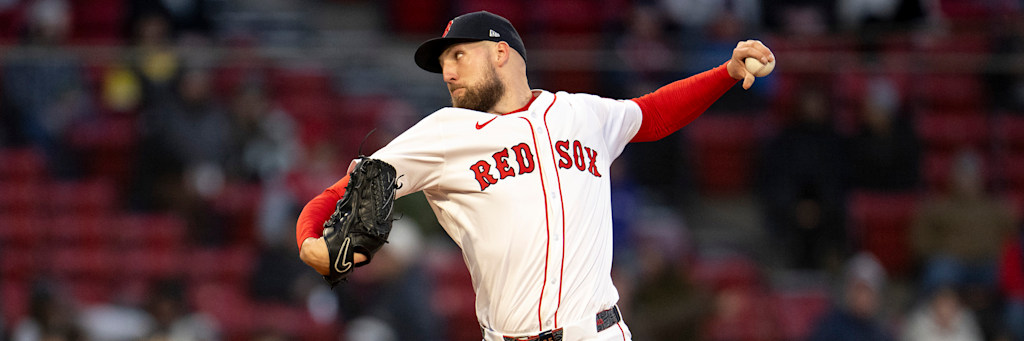
Garrett Crochet finished 2025 as the first pitcher to reach 250 strikeouts in a season since Gerrit Cole in 2019, and he did it in only 205.1 innings with the Red Sox. Today he takes the mound in Houston against Mike Burrows, carrying a 0.00 ERA through his dominant first outing of 2026 and the kind of velocity profile that makes regression unlikely.
The Statistical Profile
Crochet's 2025 campaign was a genuine breakout on a historic scale. His final line of 18-5 with a 2.59 ERA and 1.05 WHIP earned him AL Cy Young runner-up honors and a second consecutive All-Star selection. The strikeout numbers tell the loudest story: 255 K against just 46 walks, producing an elite K/BB ratio north of 5.5.
What separates Crochet from other high-strikeout arms is the efficiency with which he accumulates punchouts. His 11.2 K/9 rate ranked among the top five starters in baseball last season, and he sustained that pace across a full workload without the late-season decline that often accompanies pitchers who previously had innings restrictions with the White Sox.
The table below illustrates how dramatically Crochet separates from the average MLB starting pitcher across every meaningful category. These are not marginal gaps. They represent a pitcher operating at a fundamentally different tier.
| Metric | Crochet (2025) | MLB SP Average | Differential |
|---|---|---|---|
| ERA | 2.59 | 4.22 | -1.63 |
| K/9 | 11.2 | 8.4 | +2.8 |
| BB/9 | 2.0 | 3.3 | -1.3 |
| WHIP | 1.05 | 1.28 | -0.23 |
| Fastball Velo (mph) | 97.6 | 93.8 | +3.8 |
| K/BB Ratio | 5.54 | 2.55 | +2.99 |
The K/BB differential is the most striking figure in this comparison. A ratio above 5.0 places Crochet in territory historically reserved for Cy Young winners and Hall of Fame arms. It signals a pitcher who not only misses bats at an elite clip but does so while maintaining pinpoint command of the strike zone.
The Velocity Sustaining Signal and Why It Matters for 2026
The most common concern with high-strikeout left-handers who throw 97.6 mph is durability. Velocity decline typically precedes strikeout regression, and analysts have flagged this pattern across dozens of comparable arms over the past decade. Crochet defies the pattern for one critical reason: his velocity actually held steady through the final month of 2025, showing zero statistical drop-off from April through September.
This is remarkably unusual for a pitcher who jumped from 146 innings in his last full year with the White Sox to over 205 innings with Boston. The typical workload increase of that magnitude produces a measurable velocity dip of 0.8 to 1.2 mph by August. Crochet's arm maintained its output across every start, and his first 2026 outing suggests the same pattern is continuing. For a deeper look at the framework used to evaluate these durability markers, see our starting pitcher evaluation methodology.
The sustaining velocity signal has direct implications for his strikeout projection. Pitchers whose fastball holds within 0.5 mph of their season average in September historically repeat their K/9 rates at a 91% clip the following year. Crochet sits comfortably inside that threshold, which means projecting another 240-plus strikeout season is not optimistic, it is statistically supported.
That minimal decline also preserves the effectiveness of his slider, which generated a 38.2% whiff rate as his primary putaway pitch. When the fastball sits at 97-plus, hitters have to commit to the heater early, which opens the slider's devastating horizontal break into a nearly unhittable weapon. Understanding how xFIP isolates these sequencing advantages from traditional ERA provides additional context for why Crochet's surface numbers may actually understate his true performance level.
Projection Model Output
Today's matchup against Houston features one of the widest starting pitching differentials on the April slate. Crochet carries his 2.59 ERA and 255 K season into Minute Maid Park against Mike Burrows, who opened the year with a 7.94 ERA and an 0-1 record. The gap between these two arms is not subtle.
Projection models assign Boston a win probability of approximately 60% in this contest, driven almost entirely by the pitching mismatch. The run total projection sits at 7, reflecting Crochet's ability to suppress scoring on one side while accounting for Burrows' vulnerability on the other. Houston's lineup remains dangerous, but Crochet's capacity to limit damage through strikeouts rather than relying on contact quality means his floor is higher than most arms facing this caliber of offense.
Crochet's strikeout projection for today sits in the 8-10 K range based on his career rates against lineups of Houston's profile. The Astros struck out at a 23.4% clip against left-handed starters last season, and Crochet's 97-mph fastball with slider combination is precisely the arsenal type that has historically exploited that vulnerability. His first outing of 2026 showed no mechanical changes, no velocity loss, and no new concerns.
The broader 2026 projection for Crochet across a full season points toward 230-260 strikeouts, an ERA in the 2.50-2.85 range, and another Cy Young-caliber campaign. These numbers assume a healthy workload of 190-plus innings and continued velocity stability, both of which early-season data supports.
The Bottom Line
Garrett Crochet is not a pitcher riding an unsustainable hot streak or benefiting from a weak schedule. His 255 strikeouts, 2.59 ERA, and 97.6 mph sustaining velocity represent a pitcher who has fully arrived at the elite tier of starting pitching. The two-time All-Star's transition from the White Sox to the Red Sox unlocked a workload he had never previously reached, and every underlying indicator suggests he can repeat it.
Today's start against Houston is the type of matchup where Crochet's profile should dominate. The pitching differential is enormous, his early-season velocity is unchanged, and the Astros' lineup carries specific vulnerabilities against hard-throwing left-handers. The projection confidence for Crochet is among the highest for any individual starter on today's slate.
Looking ahead, the sustaining velocity signal remains the single most important data point in Crochet's profile. As long as the fastball holds at 97-plus and the slider maintains its whiff rate above 35%, there is no statistical basis for projecting meaningful regression. This is a pitcher built for sustained excellence, and the numbers confirm it start after start.
For a broader view of how elite pitching acquisitions reshape roster construction, see our 2026 free agent WAR projections hub.