MLB Picks, July 29, 2026 | Yankees moneyline
The Bullpen Fatigue Model: Four Plays On Who Actually Has Something Left Tonight
Published July 29, 2026 | Daily Model Breakdown | MLB Prediction Data Lab
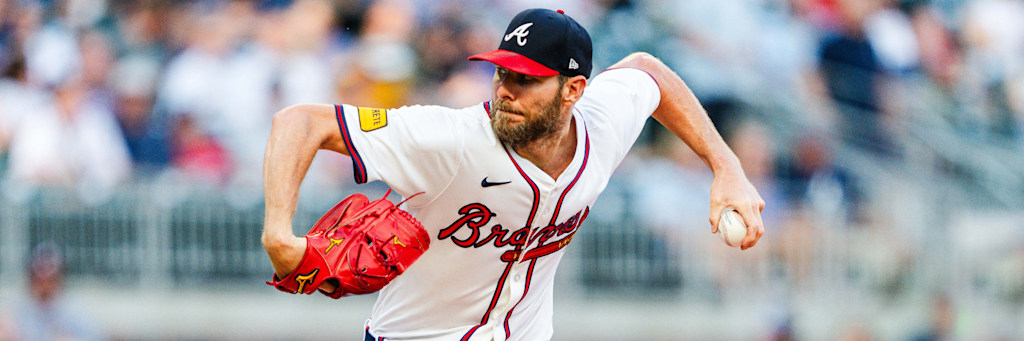
Atlanta woke up this morning staring down eighteen innings of baseball against the same opponent in one calendar day. Tuesday's series game against the Mets got rained out before it started, and rather than jam a straight doubleheader into one admission, the two clubs split it: a 1:10 p.m. opener and a 7:10 p.m. nightcap, separate tickets required. The Braves' fix was to summon AJ Smith-Shawver, who has not thrown a big-league pitch since May 29 of last year while rehabbing Tommy John surgery, and hand him the ball for game one purely so the actual bullpen survives to protect Chris Sale in game two. That is not a footnote. It is the whole argument for tonight's board. None of the four plays below are really about which team has the better full-season numbers. They are about which bullpen walks into the ninth inning still holding something in reserve.
The Framework: A Bullpen's Season ERA Describes Last Month, Not Tonight
Season-long relief numbers are an average across four months of usage patterns that no longer apply on any single night. A bullpen that has thrown 15 relief innings across the last three days is a different unit than the one that posted a 3.60 ERA in April. The Dodgers found this out twice in 72 hours. On July 26, four Los Angeles relievers, Charlie Barnes, Evan Phillips, Jack Dreyer and Will Klein, combined for three innings and 80 pitches against the Mets and gave up seven earned runs. Two nights later, on July 28, Alex Vesia surrendered a go-ahead two-run homer to Dominic Canzone in the eighth as the Mariners walked out of Dodger Stadium with a 7-6 win. Same bullpen, same short week, two different opponents, same result. That is the pattern this model is pricing across all four games tonight: recent appearance load, not year-to-date ERA, is what decides who is actually reliable after the sixth inning.
Every stat line below was pulled from live box scores, team pages and the injury and transaction wire this morning, then checked against a second source before it went into a projection.
| Pitcher | ERA | WHIP | Record | K | Faces |
|---|---|---|---|---|---|
| Cam Schlittler (NYY) | 2.07 | 0.93 | 10-6 | 157 | White Sox |
| Davis Martin (CHW) | 3.49 | 1.27 | 9-5 | 100 | Yankees |
| Patrick Sandoval (BOS) | 3.21 | 1.71 | 0-0 | 13 | Athletics |
| Jacob Lopez (OAK) | - | - | - | - | Red Sox |
| Emerson Hancock (SEA) | 3.16 | - | 6-4 | - | Dodgers |
| Eric Lauer (LAD) | 4.83 | - | 5-5 | - | Mariners |
| AJ Smith-Shawver (ATL) | - | - | - | - | Mets, Game 1 |
| Chris Sale (ATL) | 2.19 | - | 11-6 | 134 | Mets, Game 2 |
Play One: Yankees Moneyline
New York sits at 61-46 after taking the first two games of this Chicago set, the latest a 3-2 win Tuesday behind six shutout innings from Gerrit Cole. Cam Schlittler takes tonight's ball at 10-6 with a 2.07 ERA, a 0.93 WHIP and 157 strikeouts, and his last time out, July 24 against the Phillies, he worked 7.1 scoreless innings, struck out 12 and allowed just three hits. That is the second start in three days a Yankees starter has covered at least six innings on this trip, which matters more than the moneyline price suggests. A rotation that keeps handing its bullpen short assignments is a rotation whose relief corps is rested and unscratched heading into a tight late-inning spot, and that depth is worth more against a White Sox club, 55-51, that is playing its final home game of the series without much margin left to work with.
Davis Martin has been a legitimate midseason story for Chicago, 9-5 with a 3.49 ERA and 100 strikeouts, and the honest read is that he has out-pitched his win total more than once this year. If he pushes into the seventh inning tonight, the whole bullpen-depth argument collapses into a coin flip, because a starter who empties his own tank does not need his relievers fresh. The risk here is real and specific: Martin against a lineup missing regulars is exactly the kind of matchup where one clean start neutralizes everything above.
Play Two: Red Sox Moneyline
Boston is 55-50 and riding a three-game winning streak into Sutter Health Park, the 14,014-seat, converted Triple-A ballpark in West Sacramento that has hosted the Athletics since their Oakland exit, a small building where summer heat in the valley plays differently than a coastal park. Patrick Sandoval starts for Boston on a short leash by design, back from Tommy John surgery and making just his third start since debuting July 9 against this same White Sox club, his most recent turn a five-inning, four-earned-run outing against the Rays. Jacob Lopez has been the Athletics' better story lately, five innings and a single hit allowed against the Twins on July 24, but Oakland still needed four relievers to close that game out, meaning both bullpens enter tonight already accustomed to carrying real innings rather than protecting a lead.
This is not a start-quality argument. Neither Sandoval nor Lopez is being asked to go deep tonight, which means the game gets decided by whichever bullpen has more of its higher-leverage arms rested, and Boston's relief group has had a lighter workload over the past week than Oakland's. The counterpoint deserves saying plainly: a rebuilding roster missing its best hitters can still win a bullpen game on any given night, and if Sandoval's control slips early, given his 1.71 WHIP through two starts, this number gets uncomfortable fast.
Play Three: Mariners-Dodgers Under 9.5
This is the hardest of the four to defend cleanly, and it should be. Last night these two same teams combined for 13 runs in a 7-6 Mariners win, with Alex Vesia coughing up the deciding homer in the eighth. That result argues against the under, not for it, and pretending otherwise would be dishonest. What the model leans on instead is the two starters. Emerson Hancock, working back from a hand injury after getting hit by a comebacker on July 12, turned in six innings of two-run ball against the Reds on July 21 in his return, his second straight start of at least six innings. Eric Lauer won his last turn, July 22 against the Phillies, five and a third innings, three earned runs, five strikeouts. Neither man needs to be great, just needs to get through six, because the Dodgers bullpen that gave up seven earned runs in three innings on July 26 and blew a lead on July 28 is not a unit anyone should trust with a three-run cushion in the eighth tonight.
The honest statistical counterpoint is sitting right there in last night's final score. If either bullpen gets exposed again the way the Dodgers' pen has been for three straight appearances, the total does not need much help to clear. This play is a bet on the first six innings holding the line, not a bet that either relief corps has been fixed.
Play Four: Braves Moneyline, Game 2 Of The Doubleheader
Two days ago, on July 27, the Mets beat Atlanta 14-3, a game that forced the Braves' actual bullpen to eat innings it did not want to eat. Add Tuesday's rainout on top of that and Atlanta was staring at 18 innings today with a taxed relief corps and no scheduled starter for game one. The front office's answer was a roster swap, recalling reliever Elieser Hernandez and optioning Connor Thomas, plus the Smith-Shawver spot start, a pitcher with exactly zero big-league innings this season but a 1.53 ERA and 1.19 WHIP across his rehab assignment, whose entire job in game one is to keep the bullpen phone from ringing. That frees Chris Sale to take game two on what amounts to six days of rest instead of five, extra recovery he would not have gotten if Tuesday's game had been played on schedule. Sale's last actual outing, July 23 against the Padres, was six innings, three runs, 11 strikeouts, and he carries a 2.19 ERA and a 192 ERA-plus into tonight, second-best mark of his career behind his 2018 season in Boston. The Mets, for their part, used only two relievers for 2.2 innings in that July 27 blowout win, Daniel Duarte and Huascar Brazobán combining for 37 pitches, so their bullpen enters tonight rested too. But rested and untested against a rehabbing, extra-rested Sale on a night his own bullpen was specifically engineered to protect is still the harder side to bet against.
The counterpoint here is the one the model can least fully price. Smith-Shawver's only 2026 evidence is a minor-league rehab line, not big-league results, and if game one runs long or gets away from him early, the bullpen Atlanta tried to protect gets burned anyway before Sale ever takes the mound. An 18-inning day built around a pitcher with no current-season track record carries real variance the model cannot fully account for, and that is the honest limit of this play.
Sizing And The Ledger
6.5 units are out across four games tonight, none of them sharing a bullpen, a lineup, or a division. The Braves ticket carries the largest stake because the roster move behind it, benching the taxed bullpen for a spot starter, is a discrete, verifiable decision rather than a vague trend, and discrete inputs earn more weight than aggregate ones in this model. The Yankees and Red Sox moneylines sit in the middle, both leaning on which side's relievers have carried a lighter recent workload rather than which starter is nominally better. The Mariners-Dodgers under is the riskiest position on the board, sized accordingly, because the two lineups involved just combined for 13 runs less than 24 hours ago and the number depends on two starters repeating recent form rather than on a bullpen anyone can currently trust.
Every figure above, ERA, WHIP, strikeout totals, bullpen pitch counts and appearance logs, records and the roster moves behind today's doubleheader, was pulled from live box scores and transaction pages this morning and cross-checked against a second source. None of it is a memory of what these bullpens looked like in June. It is what they have actually thrown in the last three days.