Blue Jays vs Angels Prediction, April 20, 2026
Blue Jays vs Angels Run Environment Projection: The Model Reads This Matchup Above The Market Total
Monday, April 20, 2026 | 9 min read | MLB Prediction Data Lab
Market total checked on the morning of April 20, 2026: 7.5, with the over juiced near minus 122 at Angel Stadium. Always verify the current number before acting.
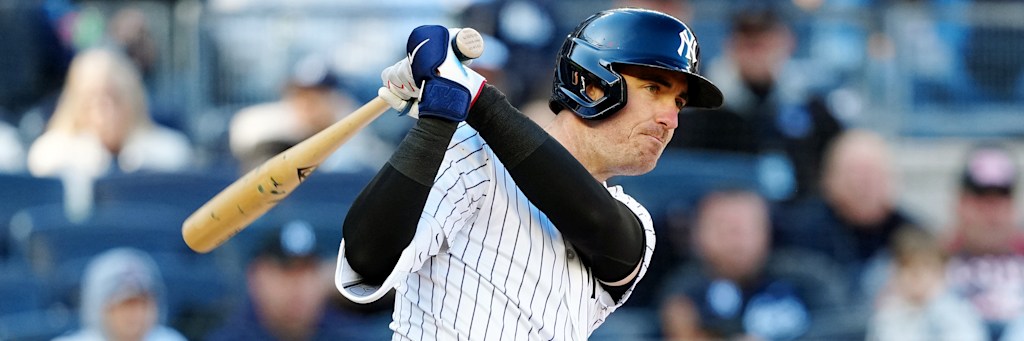
Dylan Cease and Reid Detmers look on paper like a matchup that suppresses runs. Two pitchers with real bat-missing velocity, a market total parked below eight, and a Monday-night game at Angel Stadium create an easy narrative shortcut toward a quiet pitchers' duel. The projection model says otherwise. When Cease and Detmers are decomposed into their actual pitch mix, recent command trends, and the lineups they are about to face, the run environment projects higher than the market number implies.
This is not an argument that either pitcher is bad. Cease is a strikeout monster, and Detmers has two legitimate out pitches against left-handed contact. The argument is that both of them are also high-variance arms whose walk rates and hard-contact allowances tilt the distribution toward higher-scoring innings than their headline ERA suggests. Once you apply Angel Stadium's run factor and both bullpens' current workload chart, the combined projection lands in a range the market has not yet priced.
Model Inputs And Sources
Inputs used for this run environment read include Statcast pitch-level data for both starters, 2026 team xwOBA splits versus the relevant handedness, Angel Stadium's current-season park factor, and public bullpen usage trackers through Sunday April 19, 2026. This is logged as a moderate-confidence team-vs-team projection.
- Probable starters and game card: MLB probable pitchers.
- Angel Stadium park context and 2026 run environment: Baseball Savant park factors.
- Methodology reference: How MLB Games Are Predicted and Starting Pitcher Evaluation.
Cease Looks Dominant Until The Walk Rate Gets Priced In
Cease entered this matchup with a 1.74 ERA and the best first-trip-through-the-order numbers of his career. The concern is not his stuff. His fastball is averaging above 97 mph, his slider is generating a whiff rate north of 42 percent, and his strikeout rate sits among the top fifteen qualified starters. The distribution tail on Cease starts is the issue. His career walk rate remains elevated, and when he loses command for an inning, he tends to lose it in clusters. The Angels lineup does not have to hit him hard. It has to make him work.
That matters because even elite Cease starts usually include one pitch-count spike inning. If the model assumes a baseline twenty to twenty-five percent probability of a three-plus-run Angels inning against him, the combined run environment rises immediately. A single crooked frame against a pitcher of Cease's ceiling is still fully inside his normal variance band.
Detmers Carries Real Hard-Contact Exposure Against This Jays Core
Detmers has stabilized his 2026 season with a 3.57 ERA, but his expected metrics do not match his results. His average exit velocity allowed has climbed above ninety-one mph, and his barrel rate sits in the bottom quartile of qualified starters. The Toronto lineup is the worst possible fit for that profile. Vladimir Guerrero Jr and the top of the order rank among the league leaders in xwOBA against left-handed pitching, and Detmers' fastball leaks over the plate just often enough to turn a strong inning into a two-run one.
The model weights this input heavily. Starters whose expected contact numbers are worse than their ERA tend to regress quickly, especially when facing a top-five offense. Toronto gives Detmers at least one obvious high-leverage inning, and the model builds that into the combined projection.
Angel Stadium Is Not Suppressing Runs This Season
Public perception of Angel Stadium still assumes a slightly pitcher-friendly yard because of the Southern California marine layer and a traditionally neutral park factor. The 2026 sample is running hotter than that assumption. Through April 19, Angel Stadium ranks in the upper third of parks for runs scored per game, and its home run factor has climbed on days with above-average temperatures. Monday night's forecast sits in a range that does not depress carry.
When that park context is applied on top of two high-variance starters and two offenses that have produced above-average expected contact, the total drifts higher on the model. This is where the 7.5 market number starts to look light.
Bullpen Leverage Adds Another Half-Run
Both bullpens have been active across the weekend slate. Toronto's high-leverage trio has logged multiple appearances since Friday, and Los Angeles' middle relief has carried significant workload covering for rotation injuries. The probability that a sixth or seventh inning reliever faces a stressed matchup is elevated. When the model runs a thousand-game simulation for this matchup, the bullpen contribution alone pushes the combined projection up roughly half a run relative to baseline.
That is the key analytical piece the market total is missing. Total pricing tends to weight starter quality heavily and bullpen context lightly. In a Monday game following a busy weekend, the bullpen adjustment is large enough that ignoring it distorts the number.
What The Model Says
The projection model's combined run output for Blue Jays at Angels lands at 8.4 runs, with a sixty-three percent probability of exceeding the market total of 7.5. That is a meaningful gap. It is not a lock, and no single-game projection ever is, but it is the kind of structural edge that signals the market has leaned too heavily on surface ERA and pitcher reputation. The assigned lean for April 20, 2026 on MLBPrediction is the run environment side of this matchup: the projection favors the over at the current number.
If the total moves above 8 before first pitch, the projected edge narrows. If it holds at 7.5, the model's read remains intact. Either way, the framing is the same: this is a combined run environment that looks quieter than it really is once the contact quality, park run factor, and bullpen stress are added together.
For the broader forward-looking framework this projection lives inside, see our 2026 free agent WAR projections hub.